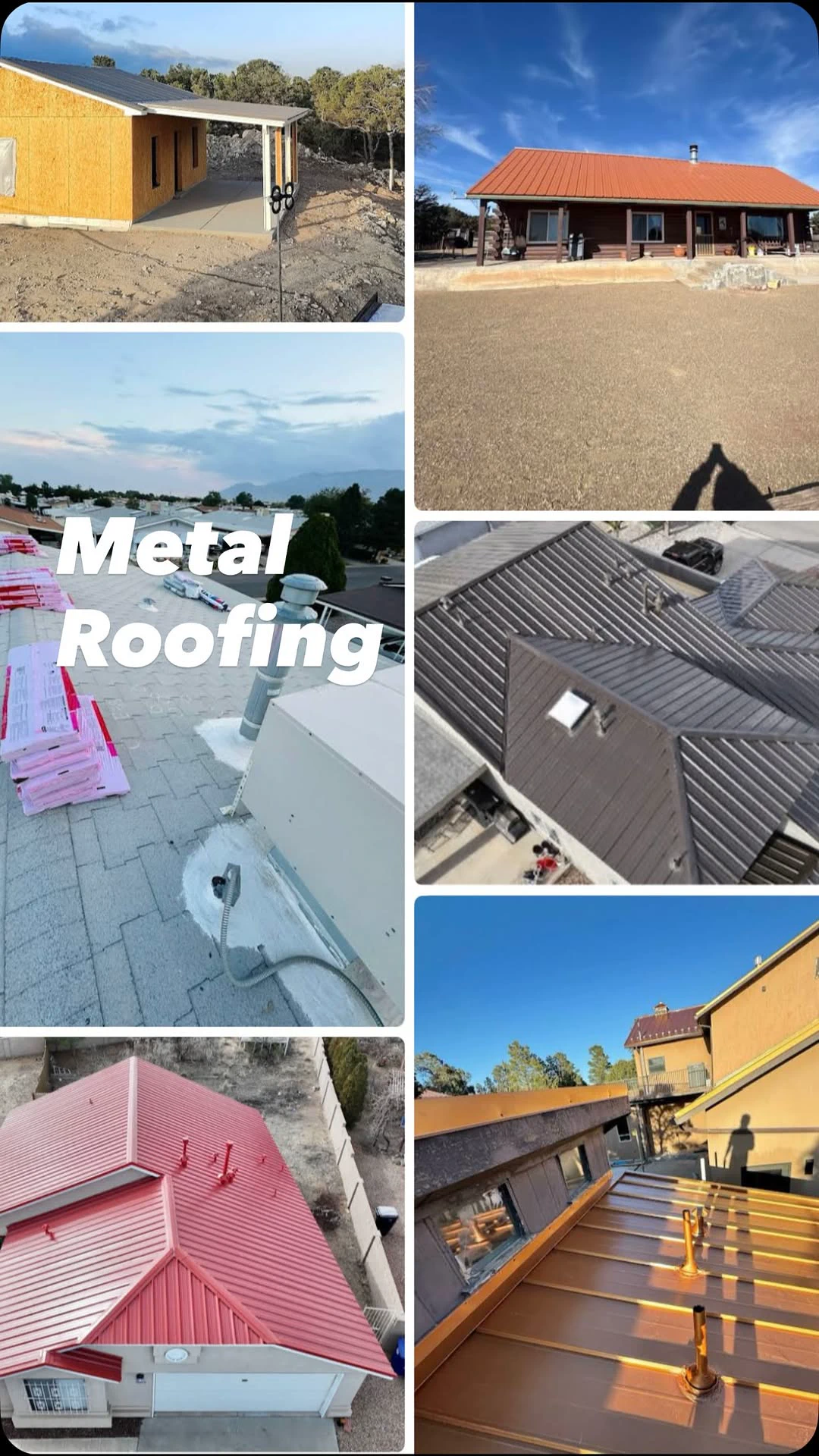
New Mexico roofs have to manage strong sun, wind, hail, intense bursts of rain, dust, and winter temperature changes. A material that works well on one roof may be the wrong choice on another because slope, drainage, ventilation, and flashing are just as important as the visible covering.
Local note
The best estimate starts with the roof you have: its slope, deck, existing layers, drainage, penetrations, and storm exposure. Material comes after the conditions are understood.
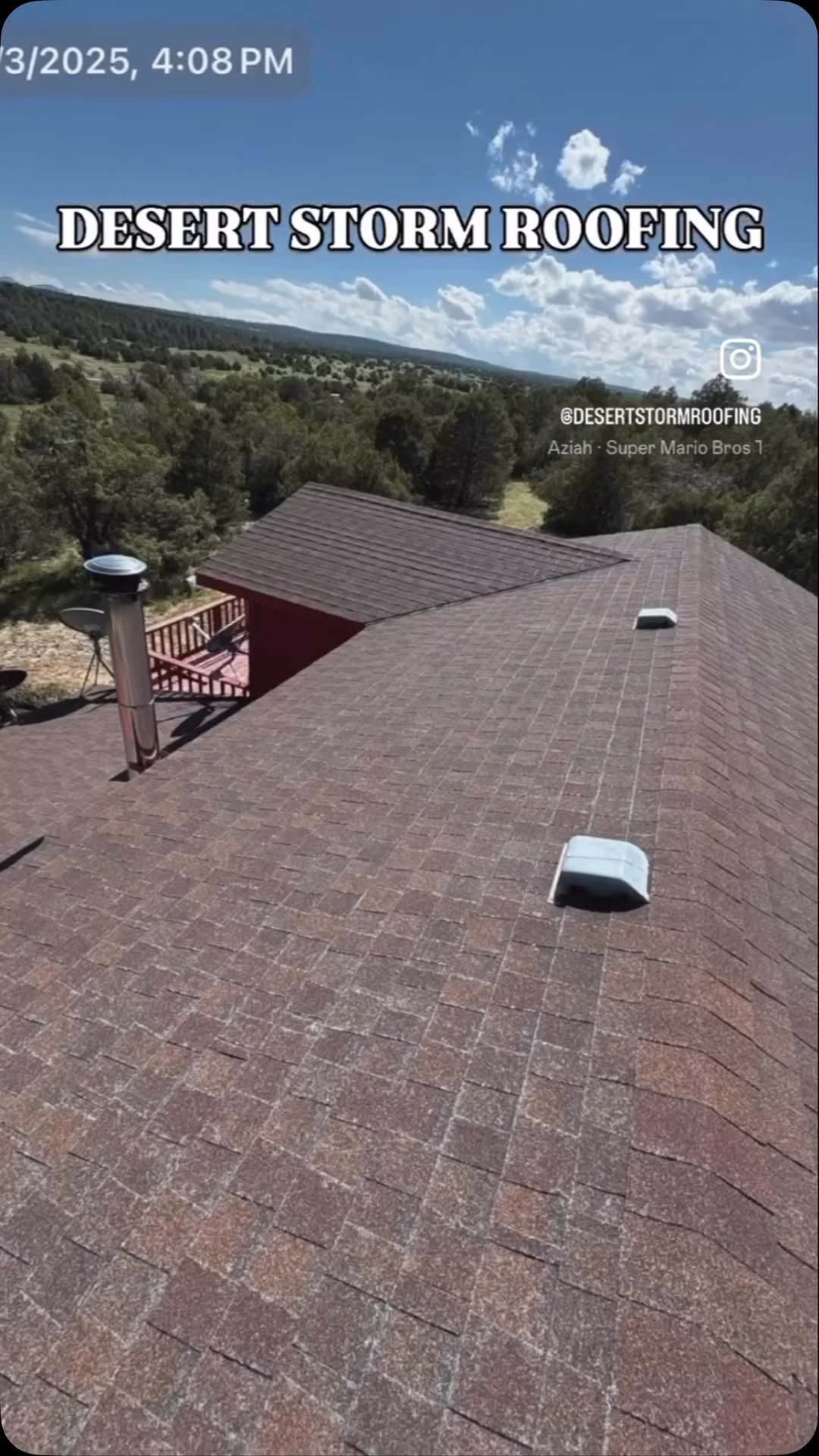
Shingle roofing for pitched homes
Asphalt shingles are a familiar option for pitched residential roofs. They offer broad style and color choices and can be a practical fit when the roof deck, underlayment, ventilation, flashing, and installation are handled correctly.
Ask which shingle line is proposed, how wind and impact ratings are documented, and what preparation work is included. A shingle roof is only as dependable as the system beneath and around it.
Metal roofing for long-term performance
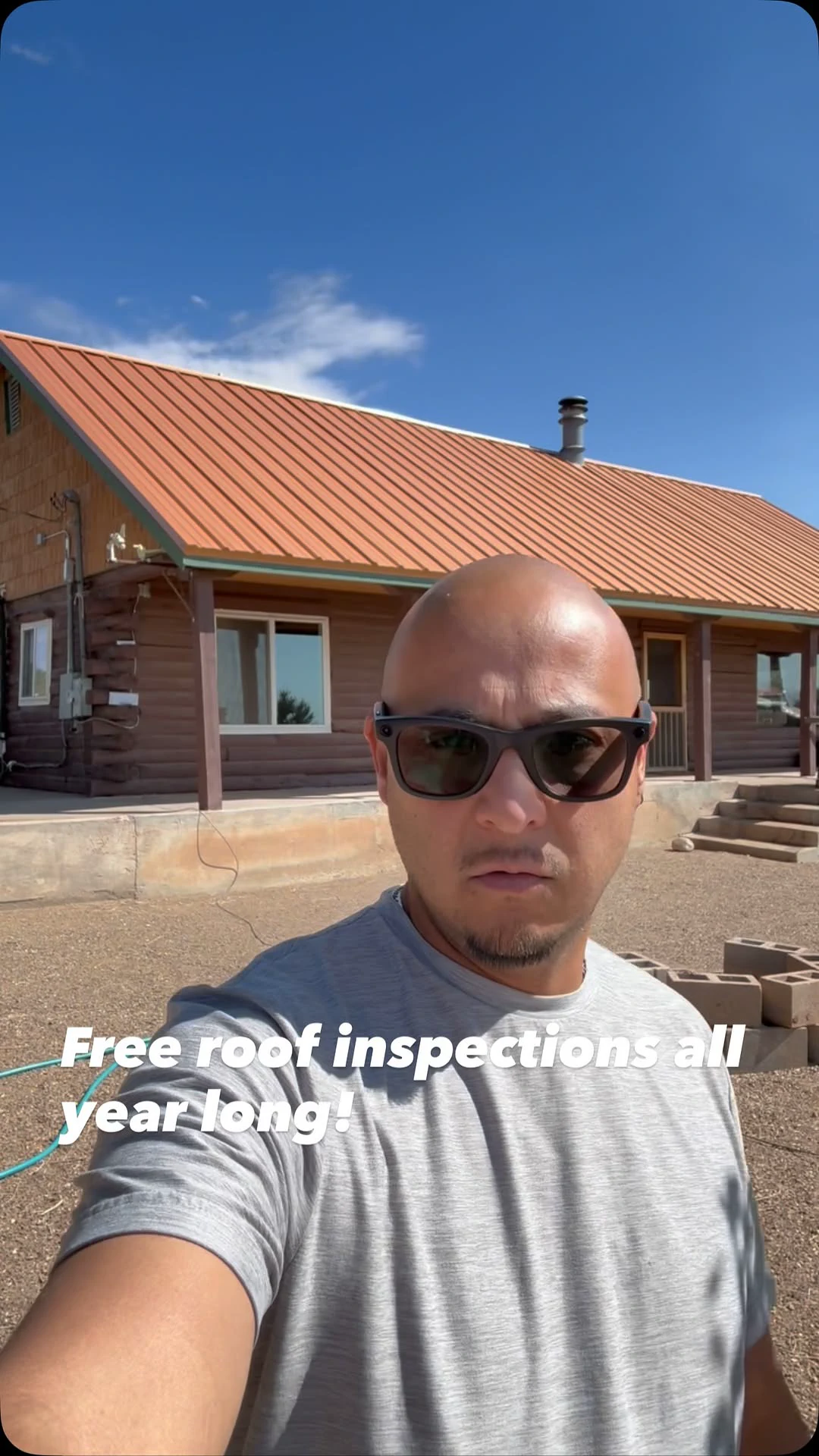
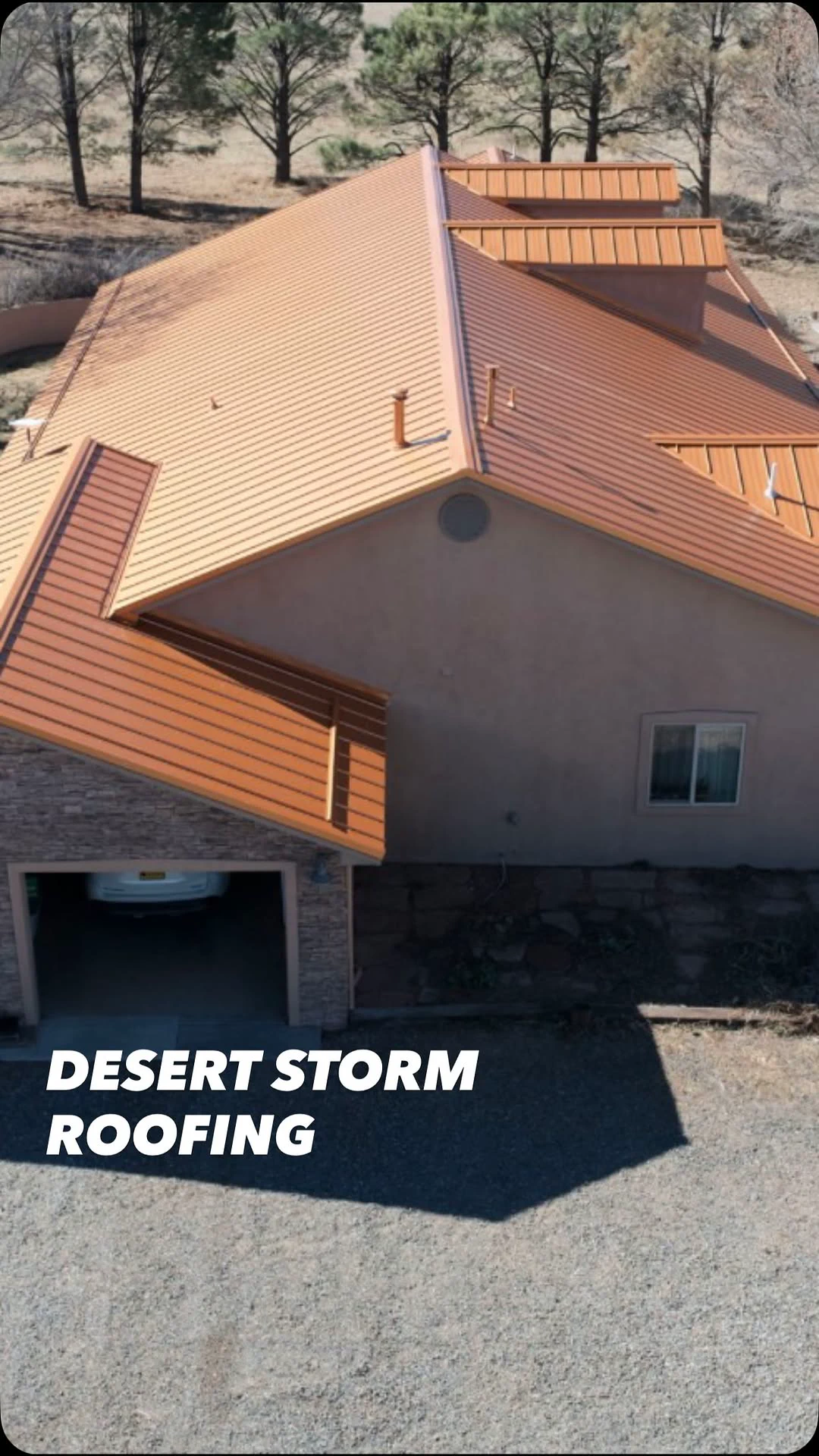
Metal roofing can bring a clean profile and durable protection to the right home. The finish, panel profile, fasteners, seams, penetrations, and edge details all affect how the roof performs in sun, wind, and hail.
Metal should not be selected from a color sample alone. The contractor should explain how the proposed system fits the slope and how movement, trim, and water-shedding details will be handled.
TPO for flat and low-slope roofs
TPO is a single-ply membrane used on flat and low-slope roofs. Its seams, edges, drains, scuppers, and penetrations need careful installation, and the roof must be able to move water away without persistent ponding.
For a low-slope project, ask to see how the estimate addresses drainage and details. Covering the field of the roof is only part of the work.
Match the material to the roof
- Slope and how water leaves the roof
- Existing deck, underlayment, and ventilation conditions
- Exposure to wind, hail, sun, trees, and foot traffic
- The home’s appearance and neighborhood context
- Upfront budget, maintenance expectations, and warranty terms
- Whether future repairs can be matched and serviced
Installation is the performance multiplier
The visible material gets most of the attention, but failures often begin at transitions: roof-to-wall flashing, valleys, penetrations, edges, seams, and drainage. A good estimate explains those details instead of treating them as incidental.
Ask for a written scope that names the system, components, exclusions, and the process for concealed damage.
Compare the whole roof
A roof is a long-term property decision. Compare the complete installed assembly, not only the material price per square. Desert Storm Roofing can walk through shingle, metal, and TPO options in the context of the Central New Mexico roof they are meant to protect.