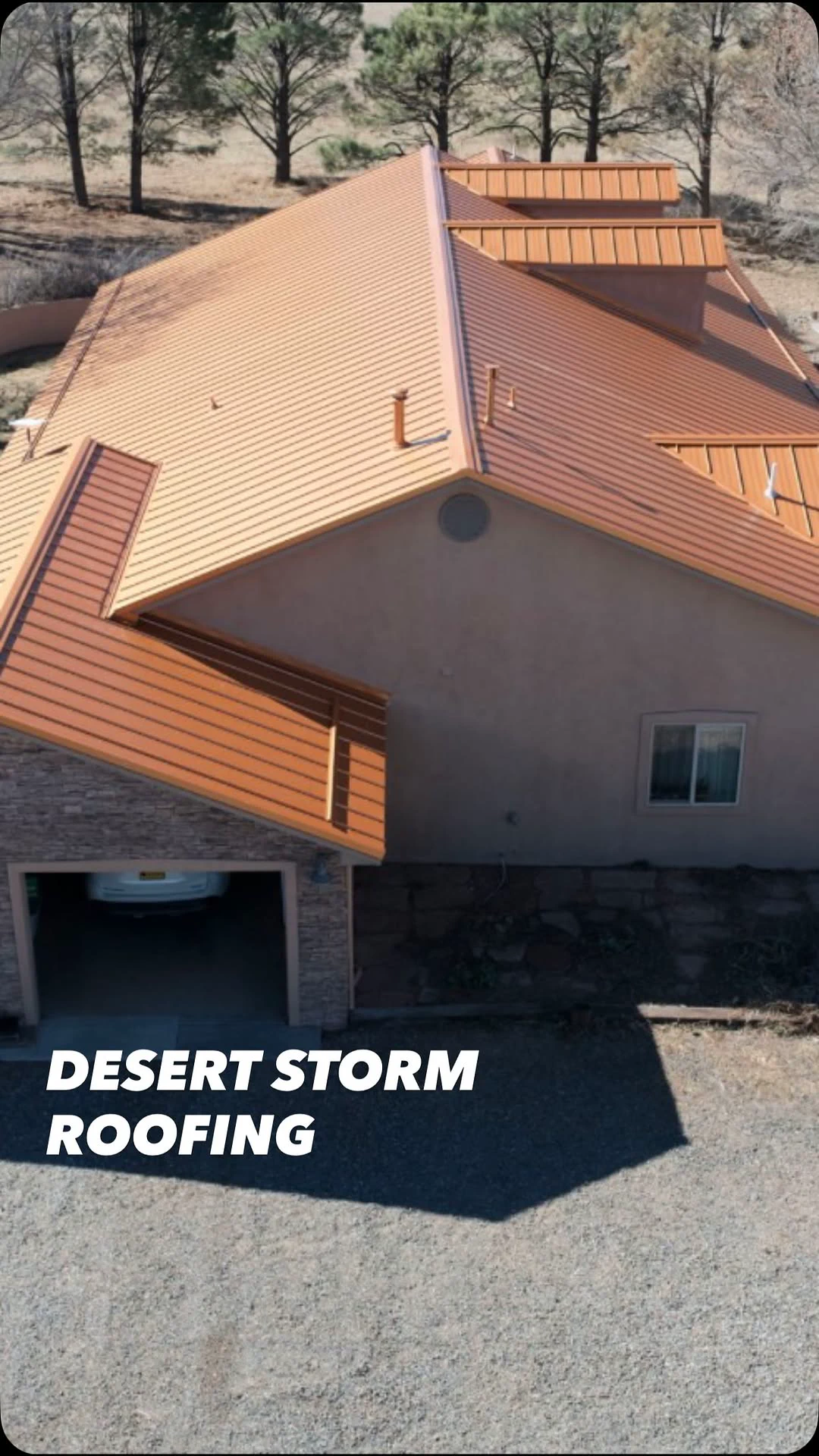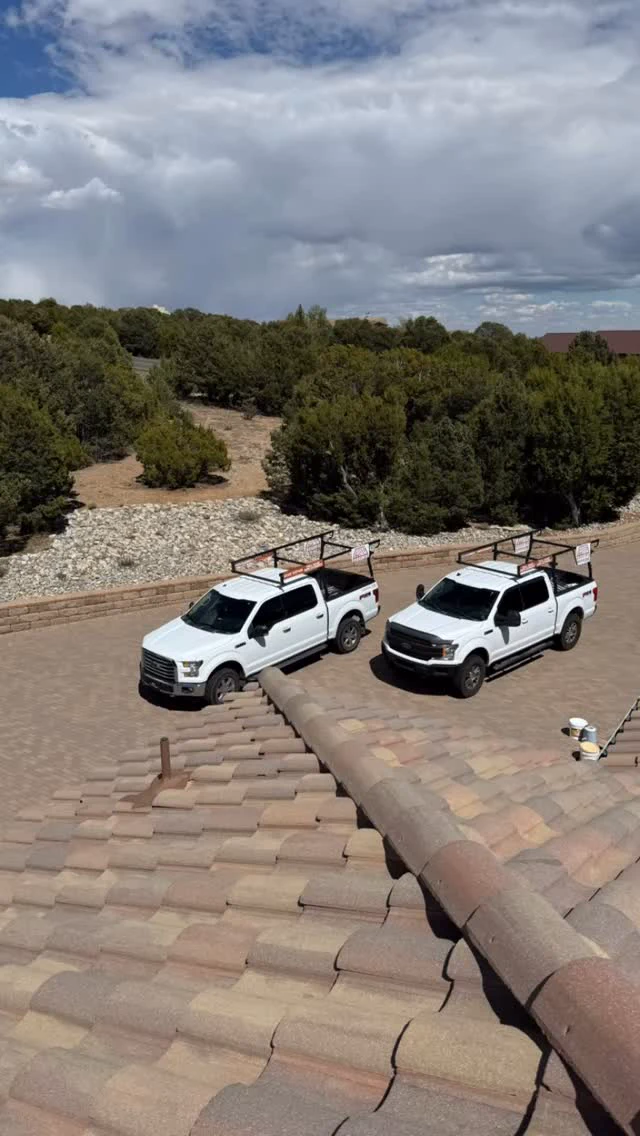
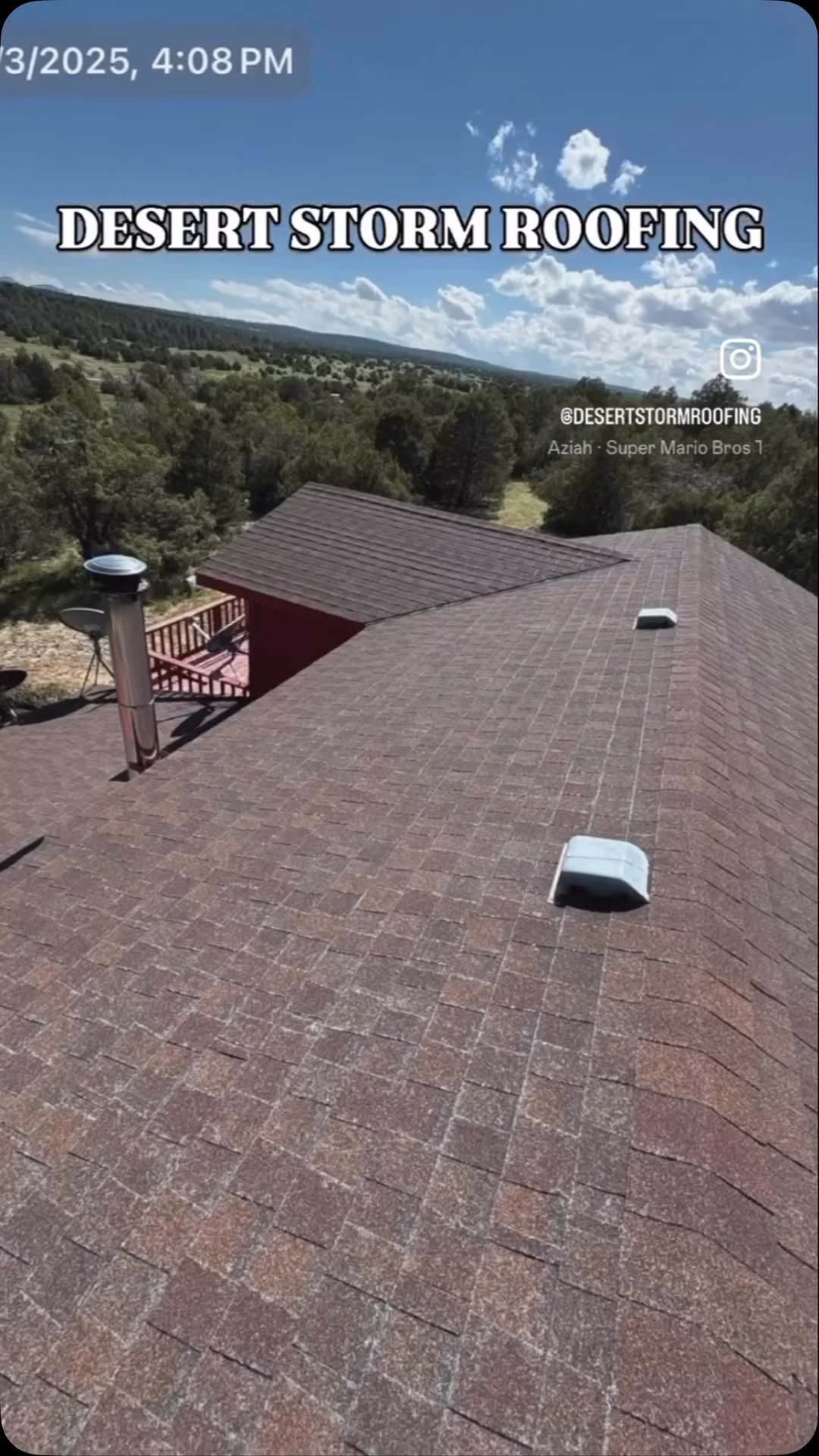
Spring wind, thunderstorm outflow, and fast-moving summer storms can affect a roof in different ways. A few lifted shingles may be a straightforward repair; damage at flashing, decking, drainage, or a low-slope membrane can change the scope quickly. A careful inspection is the only reliable way to separate the visible symptom from the repair underneath it.
Local note
Central New Mexico note: Wind damage does not always announce itself from the ground. Look from a safe position, but leave roof access and close inspection to a qualified professional.
What actually drives the cost
The final repair price follows the work, not the weather event. A contractor will typically look at the roof system, the number and location of damaged areas, access, the condition of the underlayment or decking, and whether matching material is available.
A written estimate should explain those conditions in plain language. It should tell you whether the recommendation is a limited repair, a larger section, or replacement because the existing roof can no longer be repaired reliably.
- Roof material and profile — asphalt shingle, metal, TPO, or another system
- How many slopes, edges, penetrations, and flashings are involved
- Whether wind moved the covering or exposed underlayment and decking
- Access, tear-off, disposal, and material-matching requirements
Small signs do not always mean small work
From the ground, watch for shingles that look lifted, creased, or missing; metal panels or trim that no longer sit flat; exposed fasteners; displaced flashing; and branches or debris resting on the roof. Inside, new ceiling stains or damp insulation deserve prompt attention.
A roof can still look mostly normal while water is entering at a valley, pipe boot, wall transition, or edge detail. That is why photos from the roof surface and attic can be more useful than a quick glance at the street view.
Where insurance may fit
Coverage depends on the policy, the cause of loss, the age and condition of the roof, and any wind or hail deductible or exclusion. A roofing contractor can document visible conditions and prepare a clear scope, but the insurance carrier decides coverage under the policy.
After a storm, take wide and close photos from a safe place, note the date, protect the interior from additional water if you can do so safely, and contact your carrier. Do not assume a repair is covered — and do not assume it is not.
How to compare estimates
Compare the described work rather than the headline number. Ask each contractor to identify the damaged areas, the materials proposed, flashing and ventilation work, decking allowances, cleanup, warranty terms, and anything not included.
If the damage results in a claim, keep the contractor scope, photos, adjuster report, and correspondence together. Clear documentation makes it easier to see when two estimates are actually describing different work.
A sensible first step
You do not need to decide repair versus replacement from the driveway. Start with a documented inspection and a conversation about the condition of the roof, the urgency, and the options that fit the property.
Desert Storm Roofing writes estimates around the observed roof conditions so Central New Mexico homeowners can make a decision with more than a guess.