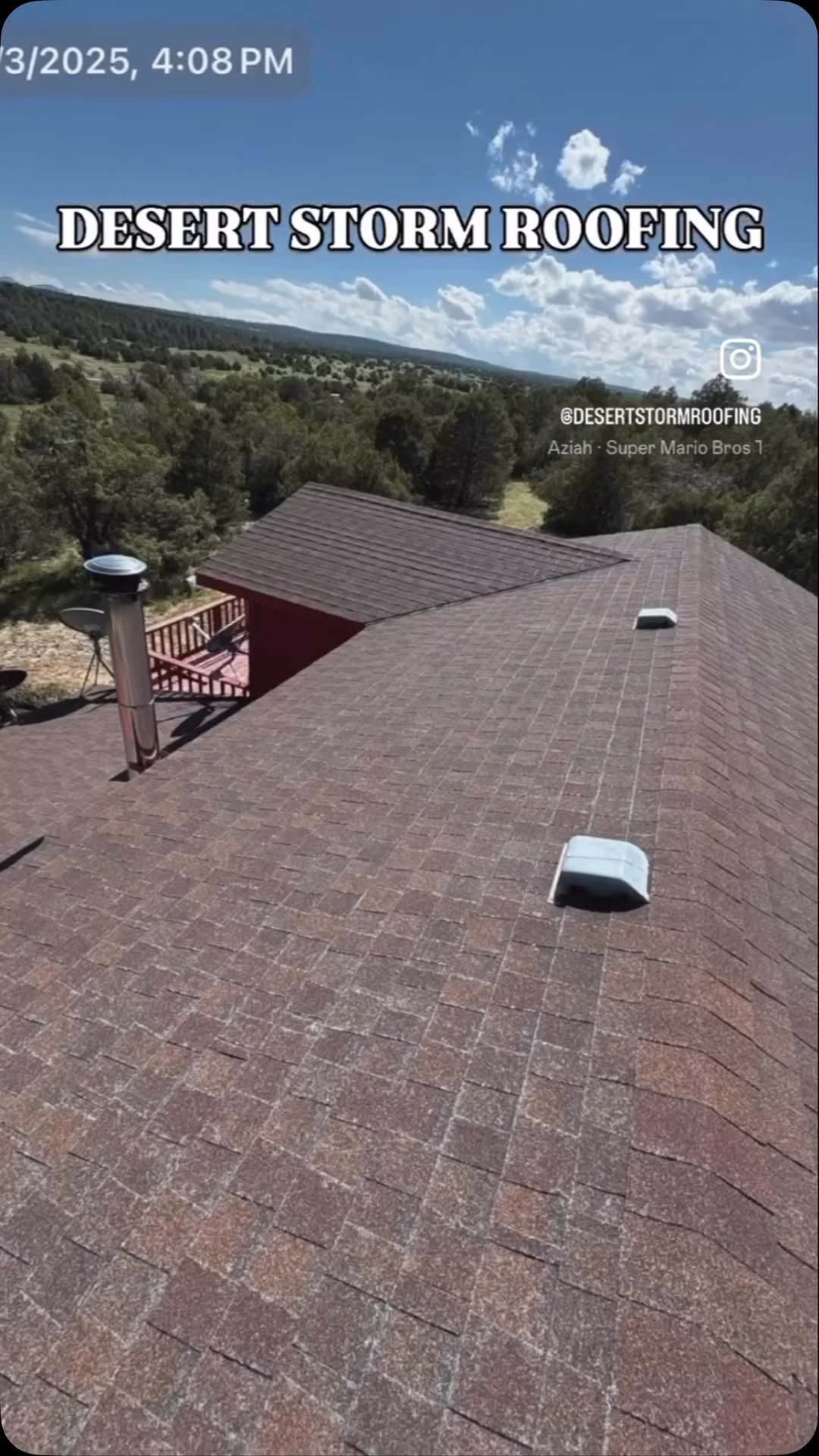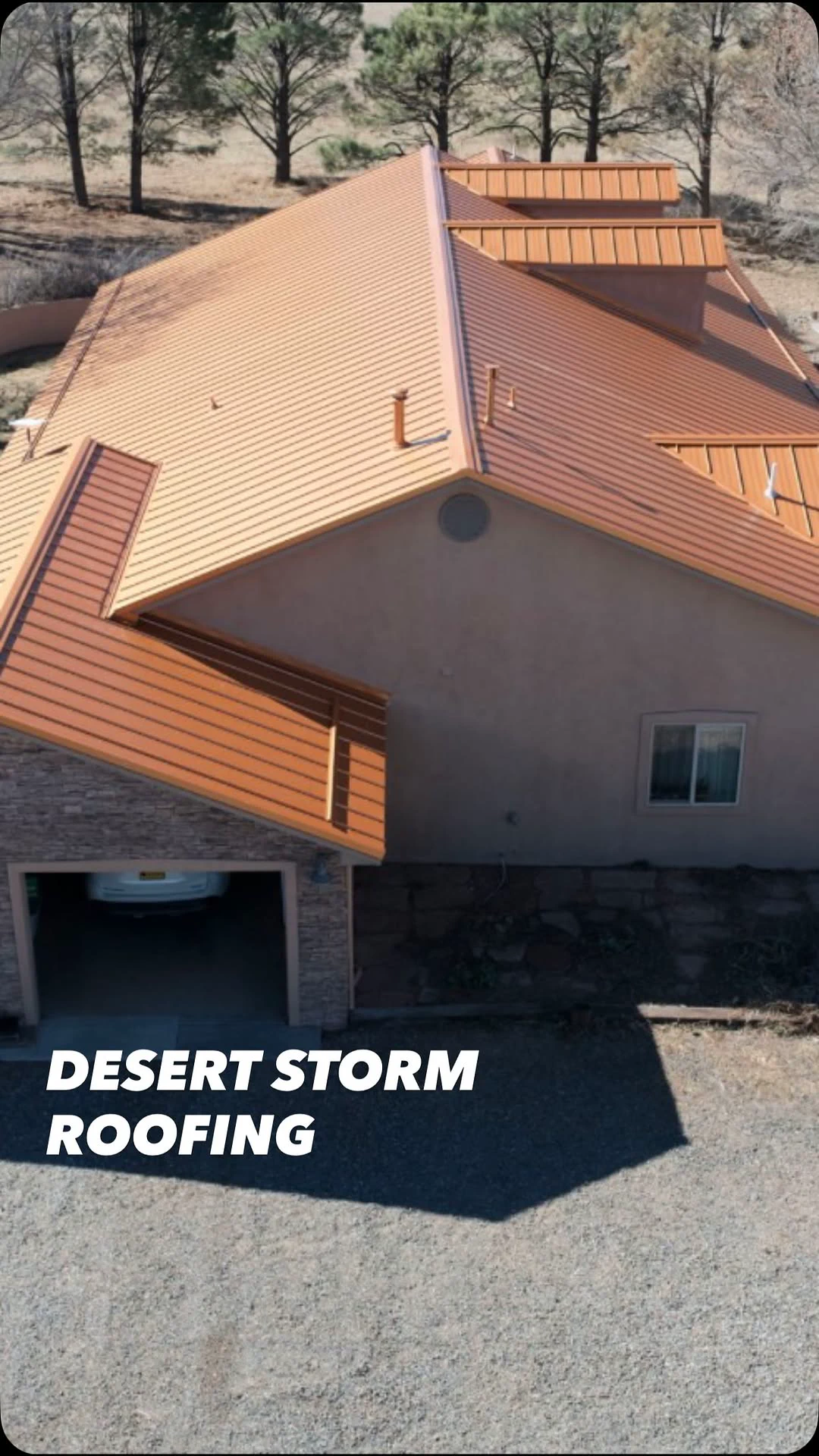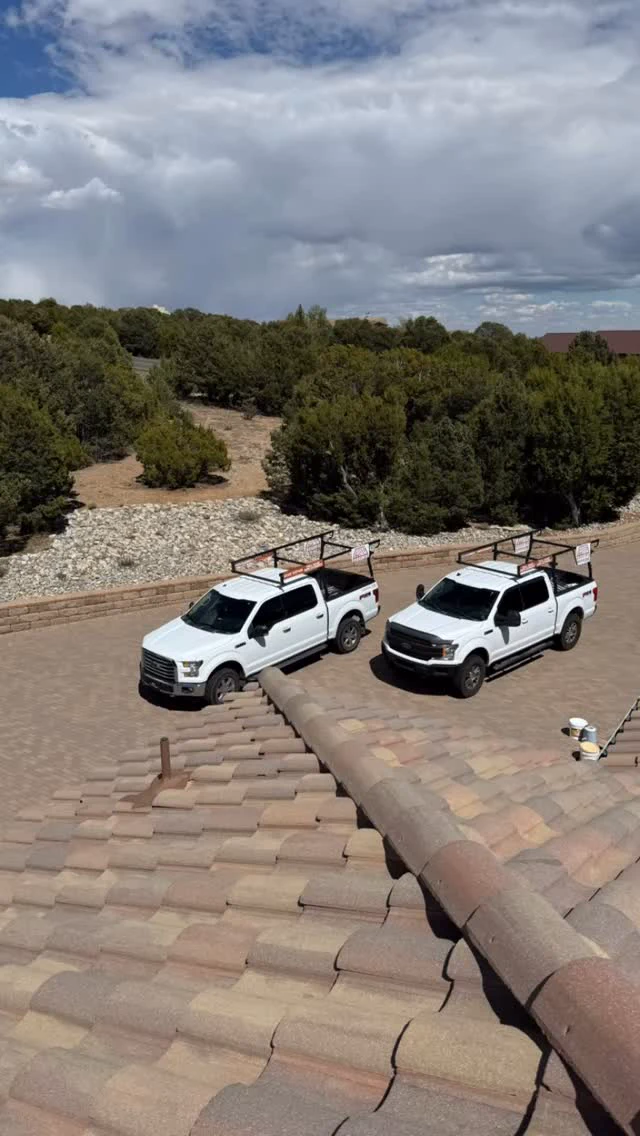
Roofing credentials are useful because a roof is a system, not just a surface. Underlayment, flashing, ventilation, fasteners, seams, drainage, and the final covering all have to work together. In Central New Mexico, that system also has to live through intense sun, strong wind, summer storms, and winter cold.
Local note
A credential is a signal to verify, not a promise to accept without questions. Ask what it covers, whether it is current, and how it connects to the written warranty.
Start with the basics
Ask for the contractor’s current New Mexico license information, proof of general liability coverage, and workers’ compensation coverage where applicable. Make sure the business name on the documents matches the company you are hiring.
The goal is not paperwork for its own sake. It is a clear answer to a simple question: who is responsible for this project, and what protections are in place if something goes wrong?
Manufacturer training can matter
Some roofing manufacturers offer training or contractor designations tied to specific products and warranty programs. Those designations can show that a contractor has learned the manufacturer’s installation requirements, but they are not interchangeable with a license or a workmanship warranty.
If a proposal names a manufacturer or enhanced warranty, ask what the contractor must do to qualify, who backs the warranty, and which installation details are required. Get the answer in writing before signing.
Look for installation accountability
A serious estimate should identify the proposed roof system instead of saying only “new roof.” It should address tear-off, underlayment, flashing, pipe penetrations, ventilation, edge metal, drainage, cleanup, and how unexpected decking damage will be handled.
Ask who supervises the crew, who answers questions during the work, and how the final walkthrough is handled. A local phone number is helpful; a defined process is better.
Price is one part of the decision
The lowest bid may leave out details that another contractor included. Compare material quantities, ventilation, flashing, warranty terms, permit or disposal responsibilities, and allowances for concealed conditions.
A higher price is not automatically a better roof, and a lower price is not automatically a bargain. The useful comparison is the value and accountability of the complete installed system.
Questions worth asking
- What license and insurance documentation can you provide?
- Which exact roof system and materials are included?
- Are you trained or designated by the named manufacturer, and what does that designation require?
- What is covered by the workmanship warranty, and who do I contact if there is a problem?
- How will storm damage, change orders, and concealed decking conditions be documented?
Choose clarity before commitment
Credentials help narrow the field. A detailed scope, clear communication, and a contractor willing to explain the work help you choose with confidence.
Desert Storm Roofing approaches the conversation around the roof in front of you — its material, condition, and Central New Mexico exposure — not a generic package.