A roof does not have one expiration date. Two roofs made from the same material can age differently because one has better ventilation, cleaner drainage, more careful flashing, or less exposure to wind and standing water. In New Mexico, strong ultraviolet sun, spring wind, monsoon storms, hail, and freeze-thaw cycles all belong in the conversation.
Local note
Think in terms of condition and remaining service life, not a date on a calendar. An inspection can show whether the roof is aging normally or losing protection early.
Asphalt shingles
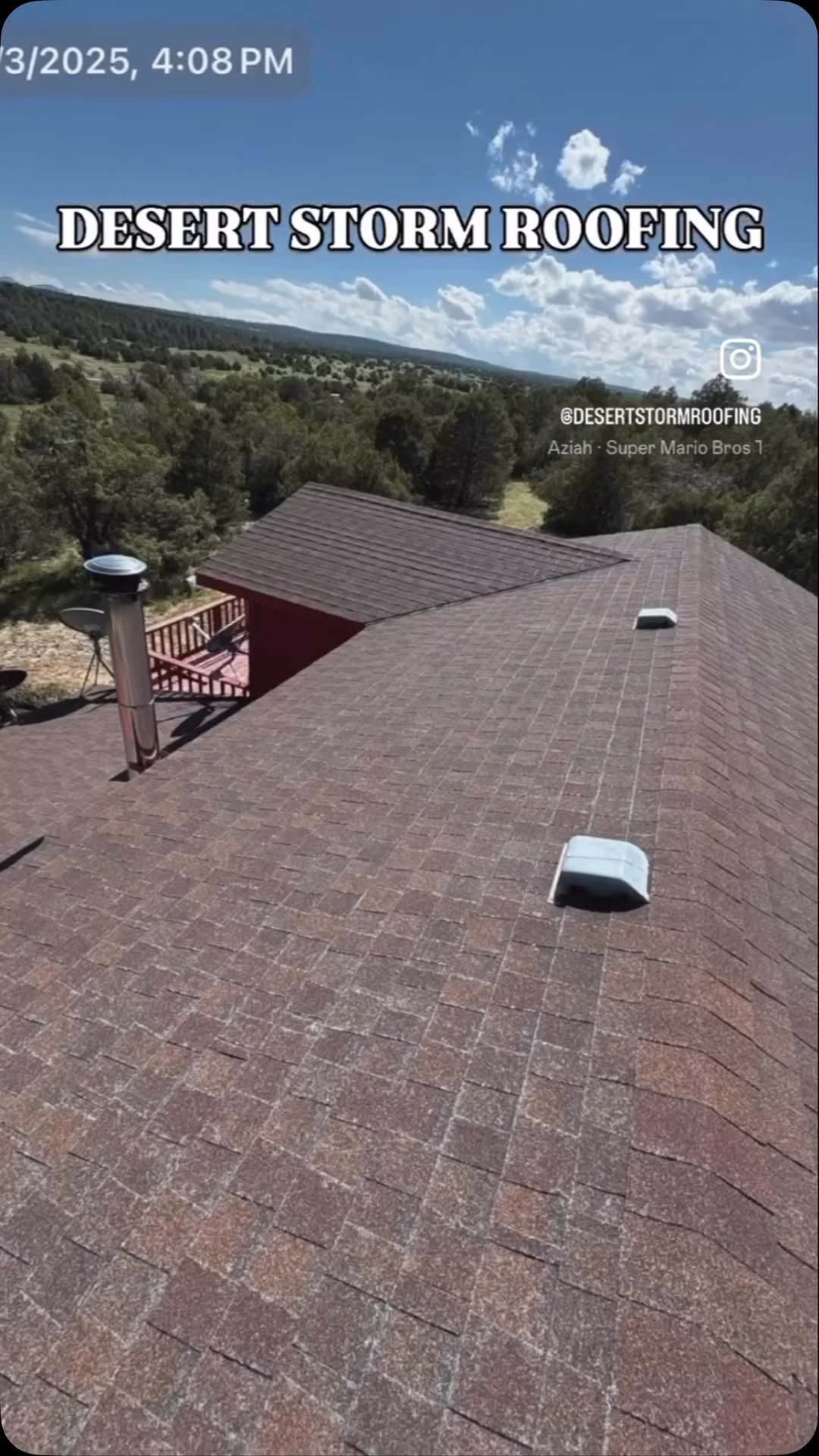
Asphalt shingles remain a common choice for pitched homes because they offer familiar curb appeal, a broad range of colors, and a practical installed system when the roof is properly prepared. Their service life depends on the product grade, ventilation, sun exposure, granule loss, wind history, and the quality of the installation.
In Central New Mexico, pay attention to brittle or curling shingles, exposed mat, missing granules, lifted edges, and damage around valleys and penetrations. Those signs are more useful than age alone.
Metal roofing
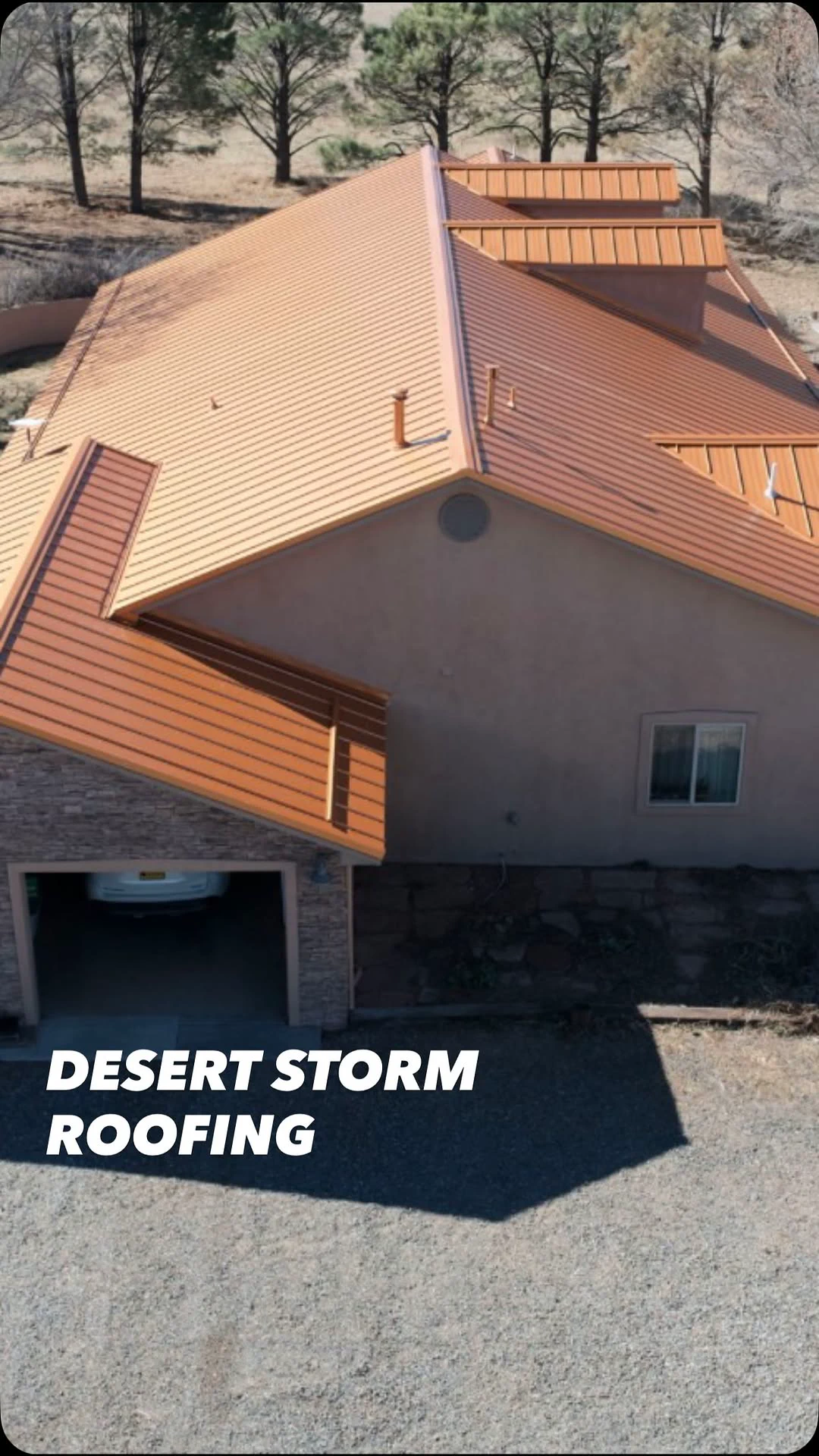
Metal can be a long-term option for the right home, especially when the profile, finish, fastening pattern, and details are selected for the roof’s slope and exposure. It still needs careful installation at seams, edges, penetrations, and transitions.
A metal roof is not maintenance-free. Look for loose fasteners, movement at trim, failed sealants, corrosion, impact marks, and debris that keeps moisture against the panels.
TPO and other low-slope membranes
TPO is a single-ply membrane used on flat and low-slope roofs. Its performance depends heavily on drainage, seam welding, edge details, penetrations, and protection from punctures. A membrane can be relatively new and still have a problem if water ponds or a detail was not finished correctly.
For a low-slope roof, ask how drains, scuppers, penetrations, parapets, and transitions will be inspected — not just how much surface area will be covered.
Other systems and existing roofs
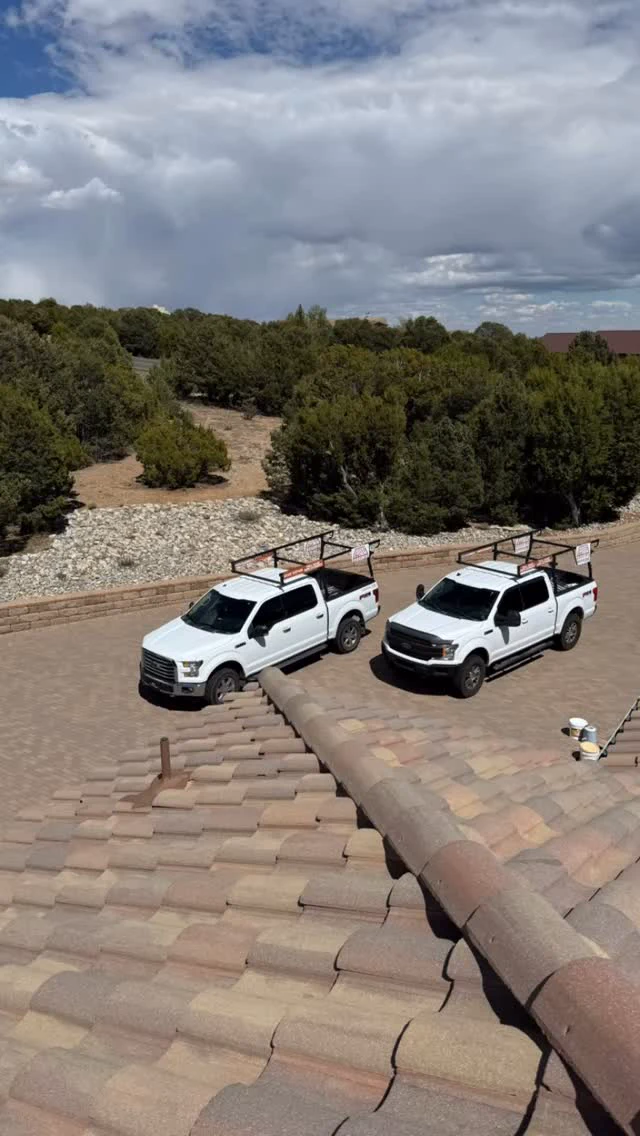
Central New Mexico homes may also have tile, modified bitumen, coatings, or older assemblies. The right decision depends on the existing structure and the system’s repair history. Replacing only the visible covering may not solve a problem in the underlayment, flashing, or drainage layer.
A contractor should identify what is actually on the roof before recommending a replacement path.
What shortens a roof’s life
- Unresolved leaks or repeated temporary repairs
- Blocked drainage, ponding water, or damaged gutters and scuppers
- Poor ventilation or insulation conditions that trap heat and moisture
- Wind, hail, falling branches, and foot traffic
- Failed flashing, pipe boots, sealants, or edge details
- A repair or replacement that does not address the underlying assembly
Make the decision from evidence
A roof’s age is useful background, not a diagnosis. Ask for photos, a description of the observed condition, and a clear explanation of what can be repaired versus what has reached the end of its reliable service life.
Desert Storm Roofing helps homeowners compare shingle, metal, and TPO options against the actual slope, structure, and weather exposure of the property.