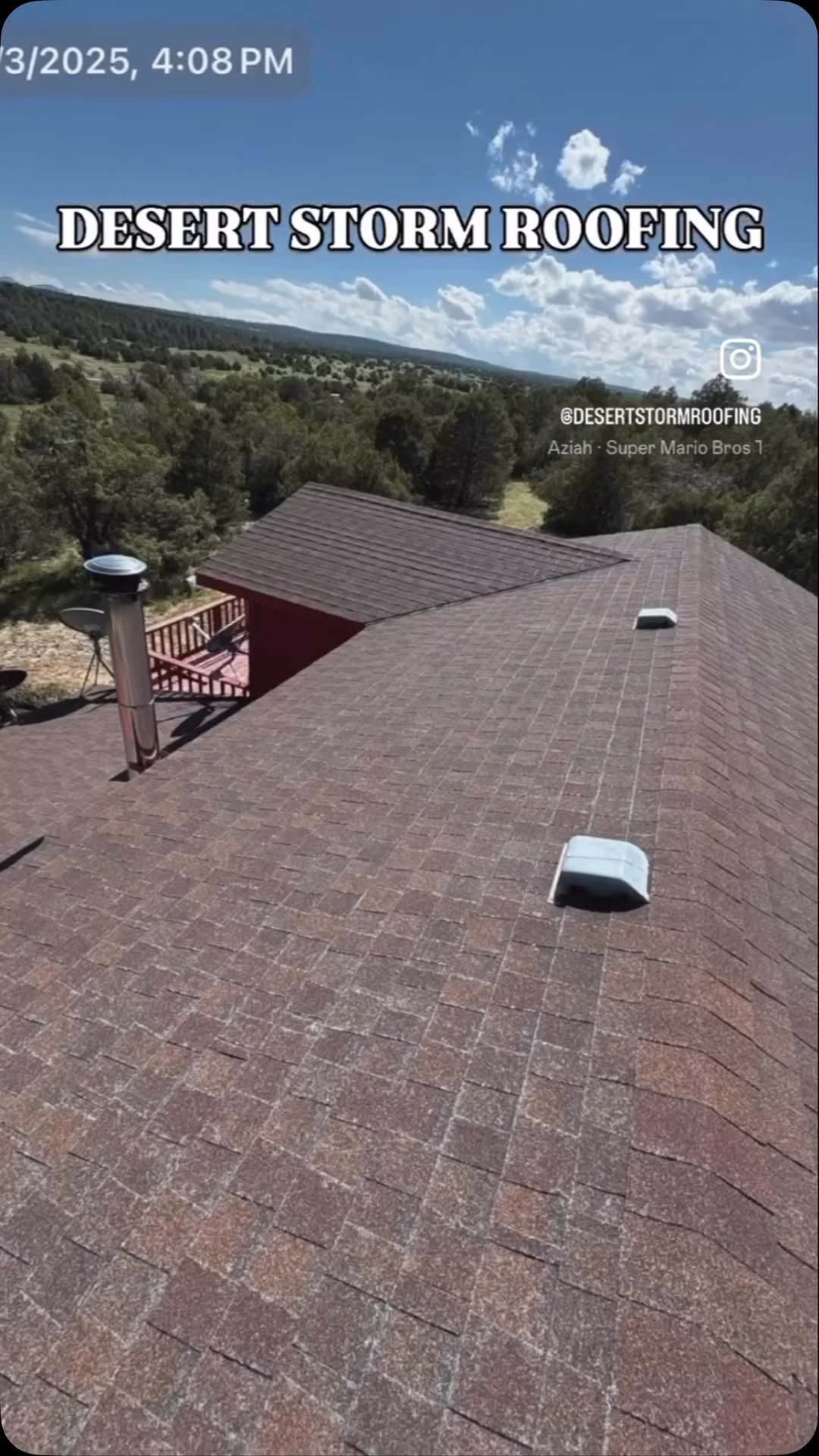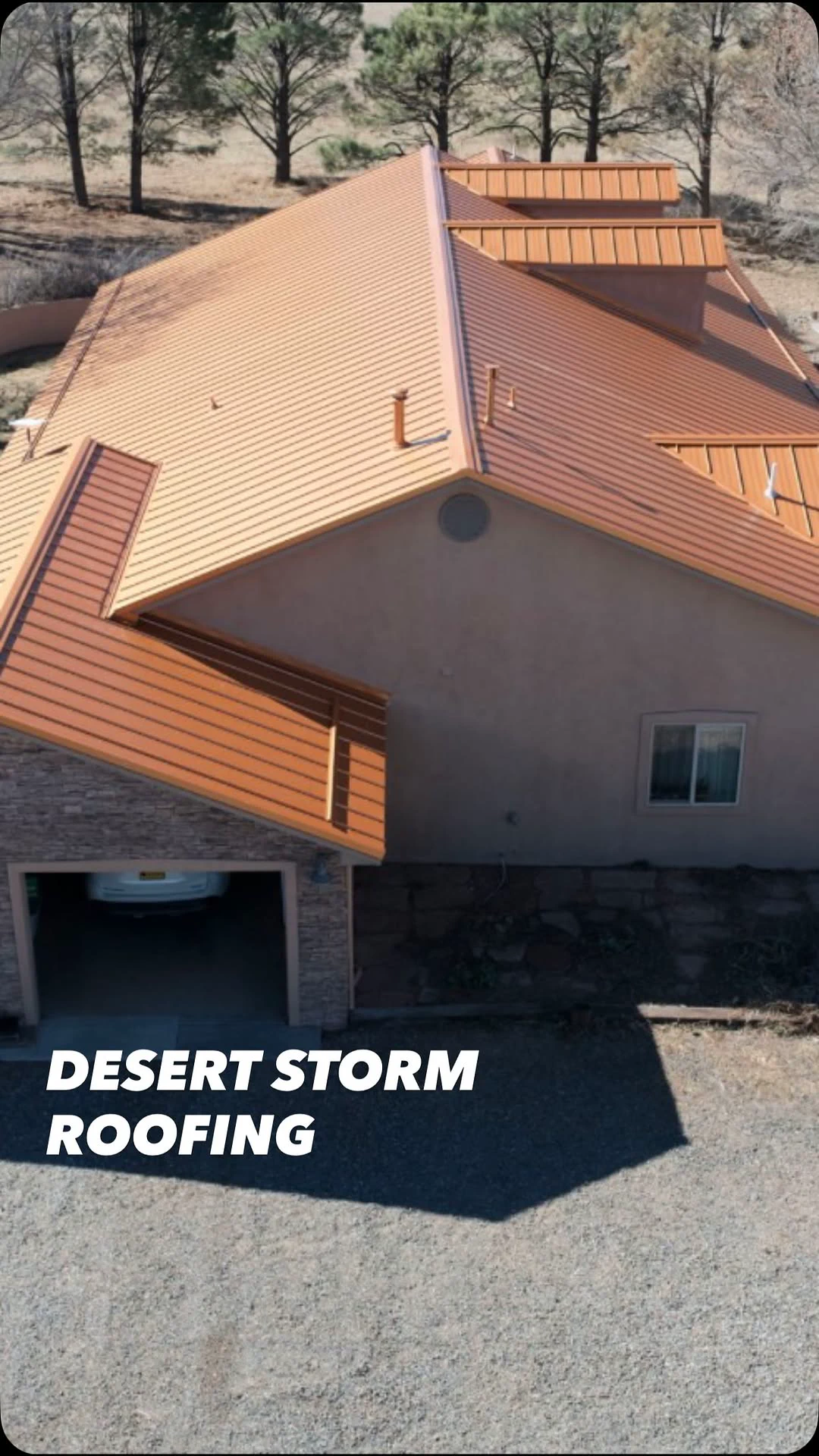
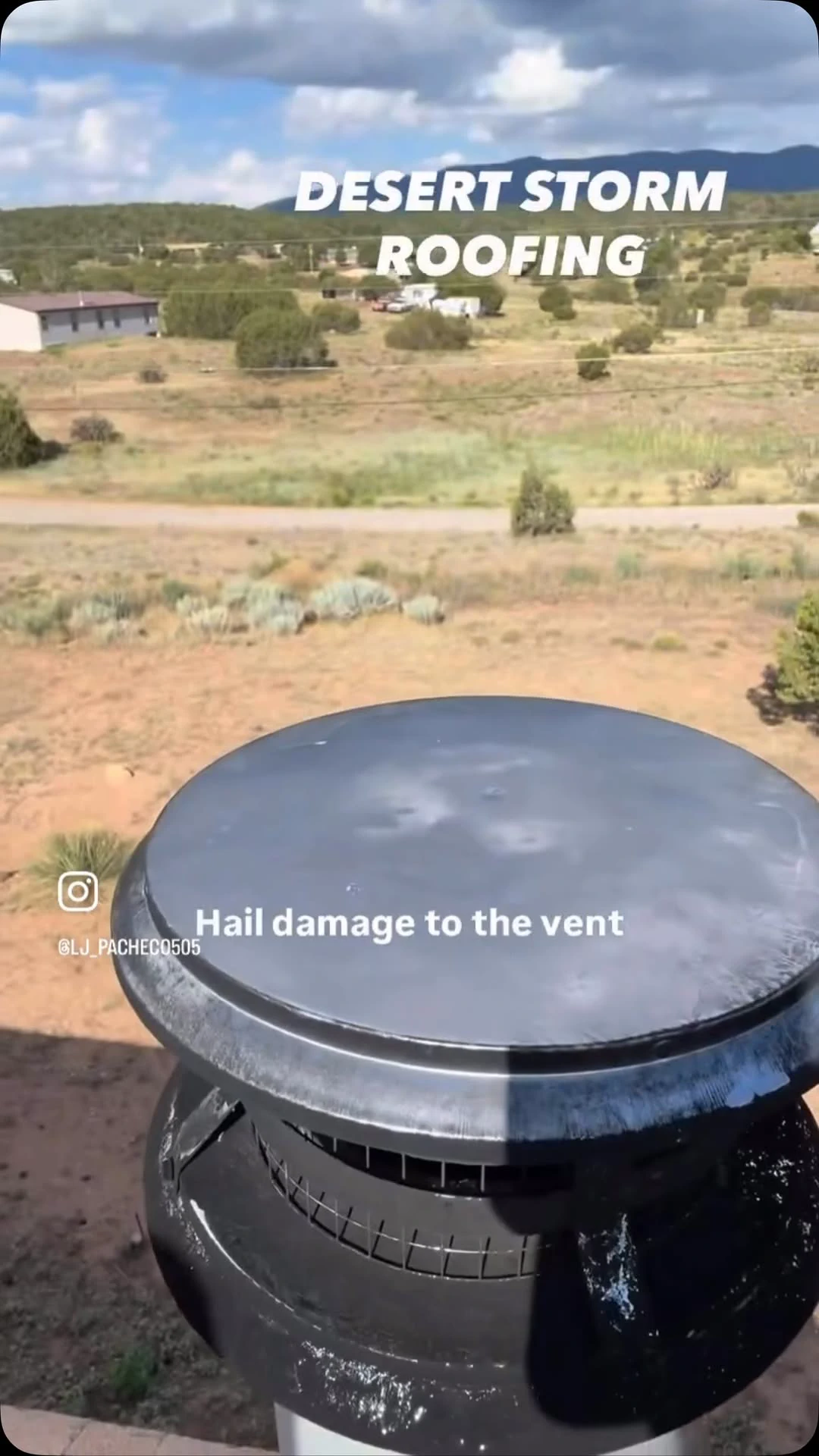
Hail damage can be visible, subtle, or mixed with older wear. A good contractor should be able to document what is present, explain what cannot be confirmed from a ground view, and separate roof damage from unrelated maintenance issues. That is especially important when an insurance claim may be involved.
Local note
You do not need to sign with the first person who knocks after a storm. Ask for documentation, take time to review the scope, and make sure the company you hire is the company named in the agreement.
Verify the company first
Ask for current New Mexico license information, proof of insurance, reliable business contact information, and references you can check. Confirm that the documents match the legal business name on the proposal.
A storm creates urgency, but urgency is not a reason to skip basic verification.
Look beyond a quick visual check
A useful hail inspection records the roof material, slopes, edges, flashings, penetrations, vents, gutters, and related exterior conditions. Photos should be labeled or organized so you can understand where a finding is located.
Ask what the contractor inspected, what could not be inspected safely, and whether the recommendation is based on functional damage, cosmetic impact, age-related wear, or a combination.
Understand the claim boundary
A roofing contractor can help document damage and prepare a repair or replacement scope. The insurance carrier determines coverage, deductibles, depreciation, and payment under your policy. No contractor should promise a claim outcome before the carrier reviews it.
Keep copies of your policy information, photos, contractor scope, adjuster report, and all changes to the work.
Ask for the complete scope
- What roof system and materials are proposed?
- Will flashing, ventilation, pipe boots, edges, drainage, and decking be addressed?
- What is included in cleanup, disposal, permits, and change orders?
- What workmanship and manufacturer warranties apply?
- Who will supervise the work and answer questions during the project?
Watch for storm-chasing red flags
Be cautious with pressure to sign immediately, unusually large upfront deposits, vague one-page proposals, claims that insurance “owes” a certain result, or a contractor who cannot explain where the damage is. A professional can be prompt without being pushy.
Local experience is useful, but ask for evidence of current work and accountability rather than relying on a phrase like “we work in the area.”
Choose documentation over drama
The best hail-damage contractor gives you a clear record of the roof’s condition and a scope you can compare. Desert Storm Roofing’s goal is to make the next step understandable whether the roof needs repair, monitoring, or replacement.