Central New Mexico receives strong sunlight for much of the year. That makes heat management worth discussing, but the answer is rarely just “add a white coating.” A roof coating can change reflectivity and help protect a compatible roof assembly, yet it cannot correct a wet deck, failed flashing, blocked drainage, or inadequate insulation.
Local note
A cool roof is a system decision. Before anyone recommends a coating, ask whether the roof is dry, sound, drainable, and suitable for that specific product.
What a cool-roof coating is
A roof coating is a liquid-applied layer designed for a particular roof surface and performance goal. Depending on the product and assembly, it may improve reflectivity, add weathering protection, or extend the useful life of a roof that is otherwise in suitable condition.
Coatings are not interchangeable. The substrate, existing membrane, seams, penetrations, moisture condition, and manufacturer requirements all matter.
Reflectivity is only one part of comfort
A more reflective roof can reduce the amount of solar energy absorbed at the roof surface. The effect on indoor comfort and energy use still depends on insulation, air sealing, ventilation, windows, equipment, and how the home is occupied.
No contractor should promise a fixed utility-bill reduction without knowing the building and the product.
Where a coating may fit
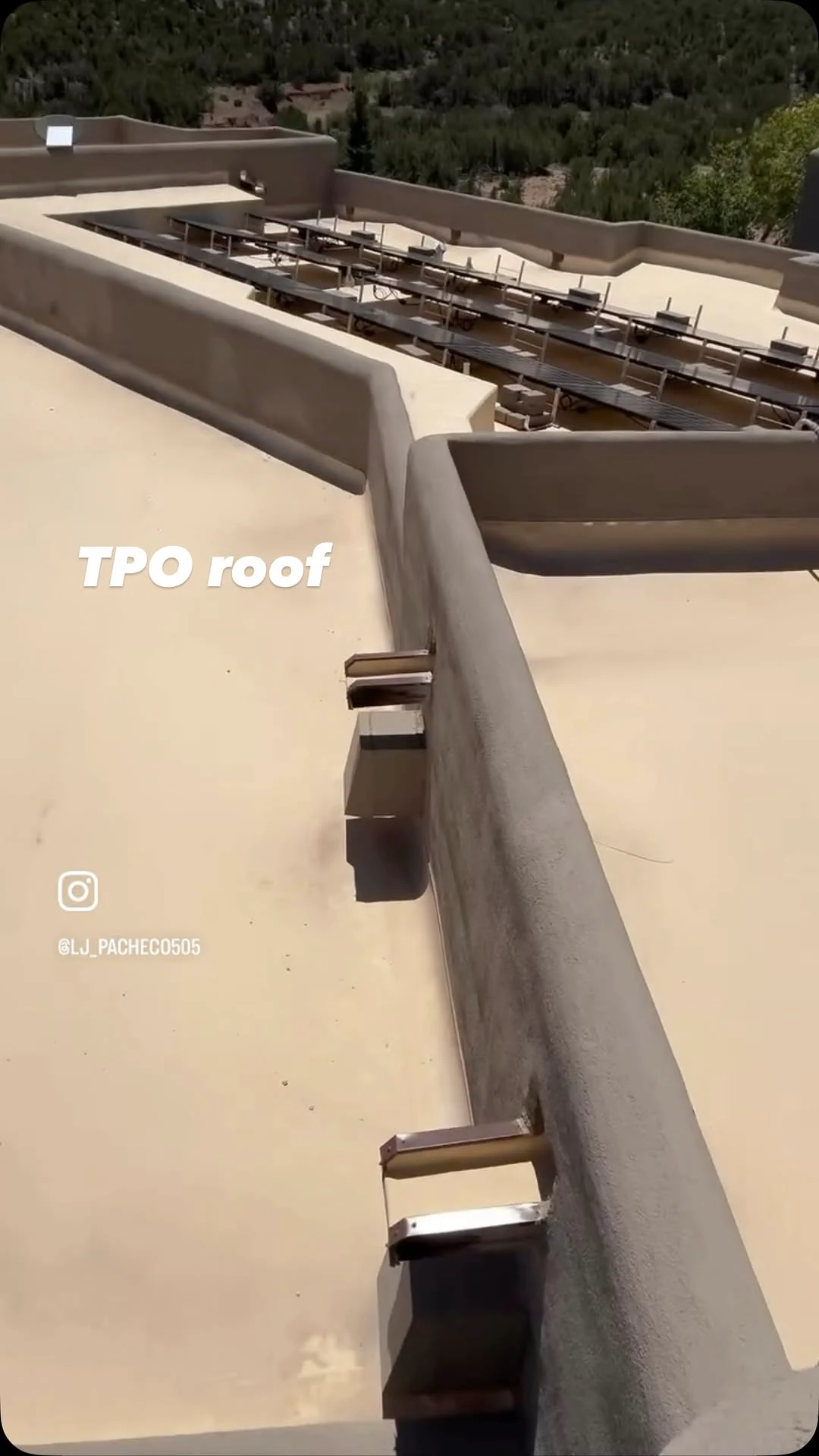
Coatings are more commonly considered on suitable flat or low-slope assemblies, including roofs on some residential and commercial properties where the existing surface and details can be properly prepared. A roof with active leaks, trapped moisture, loose material, or failing edges needs those conditions addressed first.
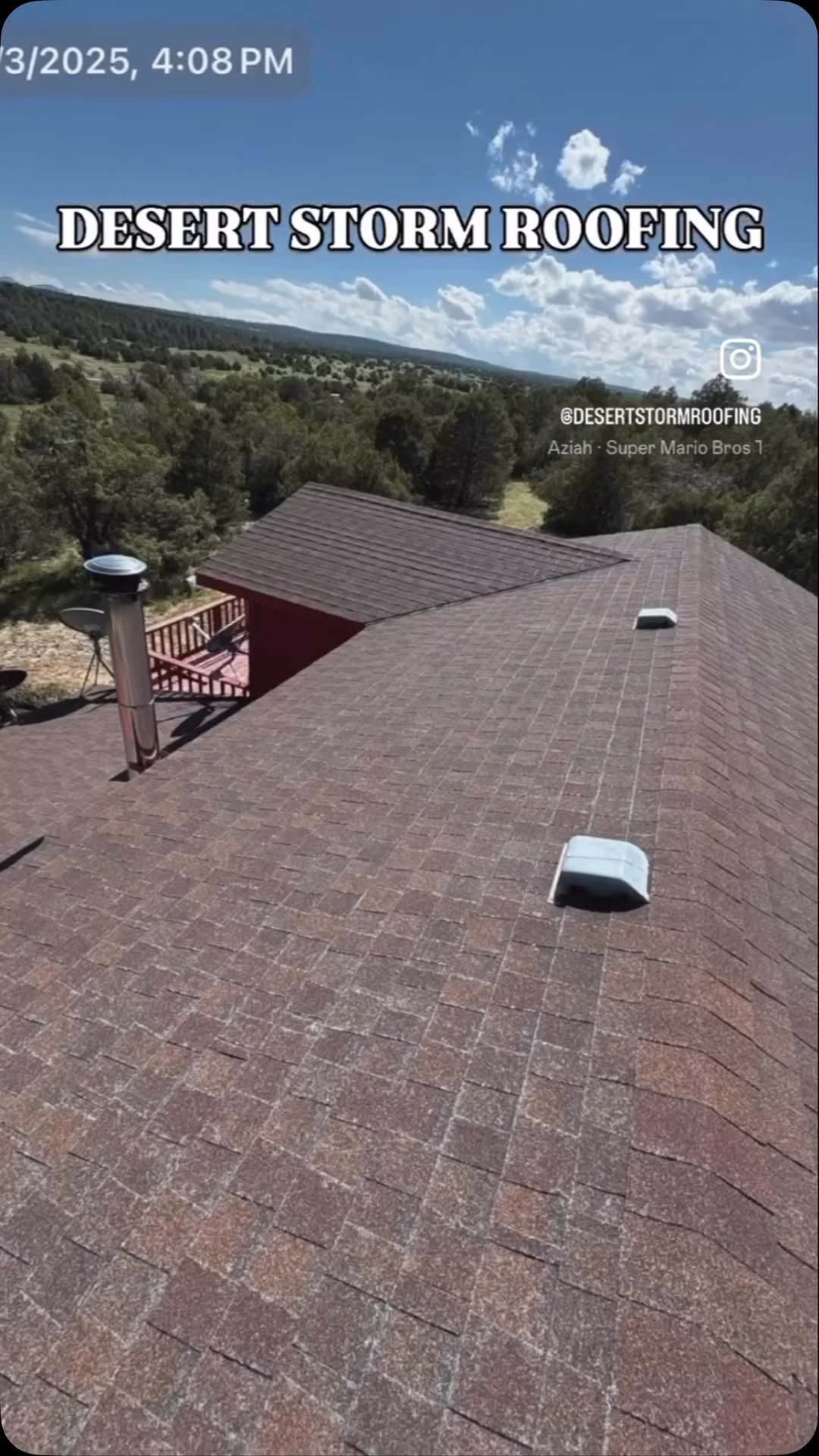
On a pitched shingle roof, color, ventilation, insulation, shade, and a properly selected replacement system may be more relevant than a coating.
The preparation is the project
- Inspecting the deck or existing membrane for moisture and failure
- Cleaning without damaging the roof surface
- Repairing seams, flashing, penetrations, edges, and drainage
- Confirming product compatibility and required dry-film thickness
- Applying the coating in suitable weather and documenting the work
- Planning how the surface will be inspected and maintained later
Ask about maintenance and long-term performance
A coating still needs inspection. Ponding water, punctures, open seams, or damaged penetrations can defeat the purpose of a renewed surface. Ask how often the roof should be checked, what conditions void the warranty, and how repairs will be handled.
The right comparison is not coating versus replacement in the abstract. It is the cost and expected performance of a properly prepared, compatible roof against the cost and expected performance of a new system.
Start with a roof assessment
Cool-roof strategies make sense when they solve the right problem. Desert Storm Roofing can help identify whether the next move is maintenance, a repair, a material change, or a full replacement.