Homeowners insurance questions are difficult because the answer depends on the policy, the cause of damage, the roof’s condition, and the carrier’s investigation. In New Mexico, wind and hail can be part of a covered loss, but policies may also include deductibles, exclusions, or limits that change the result.
Local note
A roofing contractor can inspect and document the roof. Only your insurance carrier can determine coverage under your policy. Be cautious of anyone who promises a claim result before the policy and damage are reviewed.
Start with the policy, not a promise
Review the declarations page and ask your insurance agent about wind and hail deductibles, cosmetic exclusions, roof-age provisions, replacement-cost or actual-cash-value treatment, and the deadline for reporting a loss.
The New Mexico Office of the Superintendent of Insurance is another consumer resource, but the policy issued to you controls the claim.
What a claim may be about
A claim generally concerns a covered event and the resulting damage, not normal aging by itself. Hail impact, wind movement, or storm-driven water may be evaluated differently from granule loss caused by age, deferred maintenance, an installation defect, or a long-term leak.
The carrier may ask when the damage occurred, what was visible, whether temporary protection was used, and whether older conditions were already present.
Document before conditions change
- Photograph the roof and exterior from safe ground-level positions
- Photograph interior stains, damaged ceilings, wet insulation, and personal property
- Write down the date of the storm and when you first noticed a change
- Save receipts for reasonable temporary measures that prevent additional damage
- Keep the inspection report, photos, adjuster documents, estimates, and correspondence together
How a roofing contractor can help
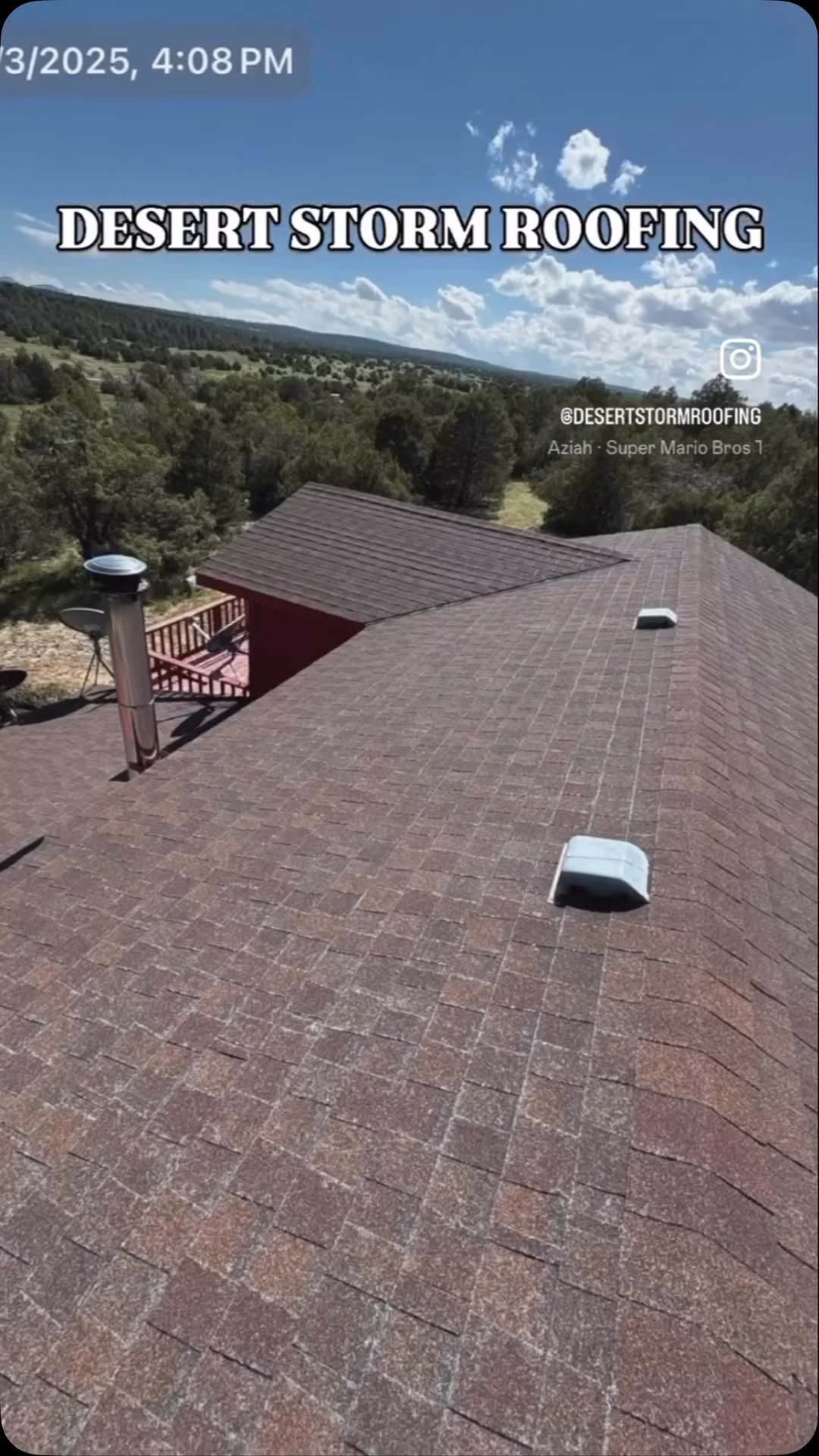
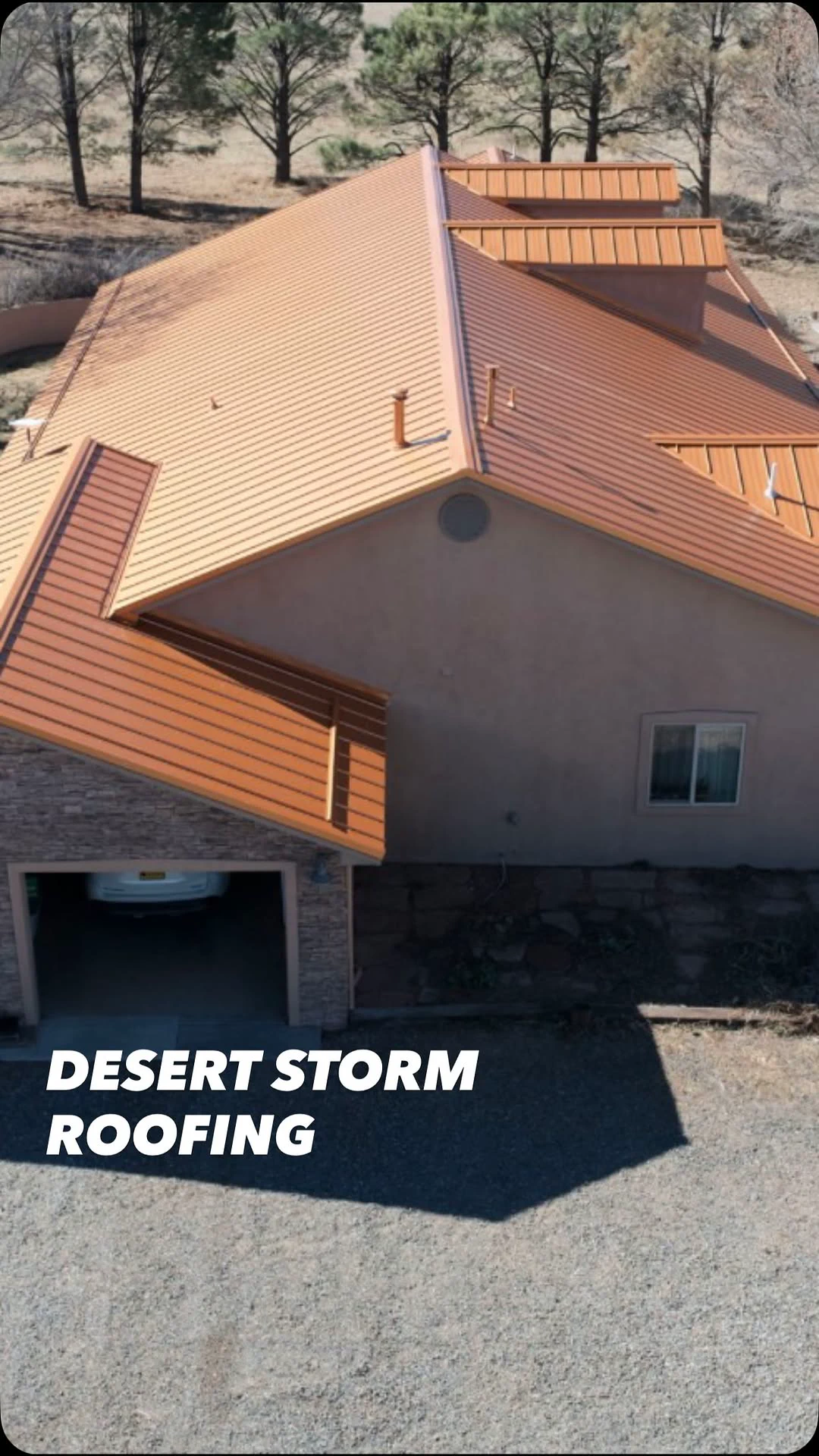
A contractor can inspect the roof, identify visible conditions, provide photos, and prepare a scope of work. They can also explain which materials and details would be involved in a repair or replacement.
The contractor should not tell you to inflate damage, waive your deductible, or treat approval as guaranteed. Your carrier evaluates the claim, and you remain responsible for understanding the agreement you sign.
Replacement cost and depreciation
Policies may handle payment differently depending on whether the roof is insured for replacement cost or actual cash value and whether the work is completed. Ask your carrier to explain how the deductible, depreciation, limits, and initial and later payments apply to your situation.
Do not rely on a contractor’s guess about your benefits when your agent or carrier can explain the policy directly.
When replacement is not an insurance claim
A roof may need replacement because it has reached the end of its service life, has recurring maintenance problems, or needs an upgrade. Those projects can still be worthwhile, but they should be evaluated as property decisions rather than presented as storm damage.
A clear inspection separates covered-event questions from ordinary repair and replacement planning.
A calmer way forward
Report a possible loss promptly, protect the interior safely, ask questions, and keep the documentation. Desert Storm Roofing can provide a photo-documented inspection and explain the observed roof conditions without promising what the policy will pay.