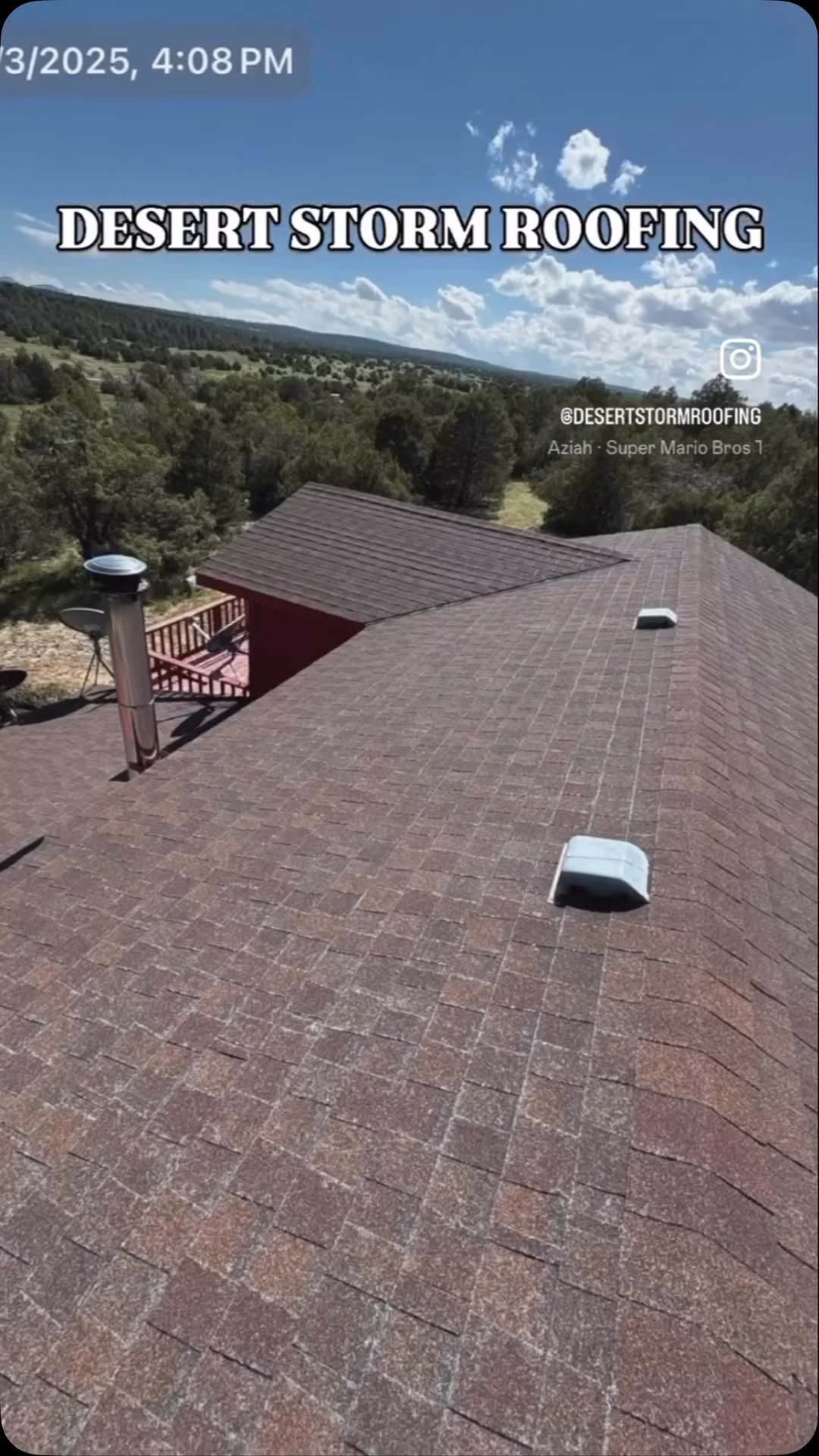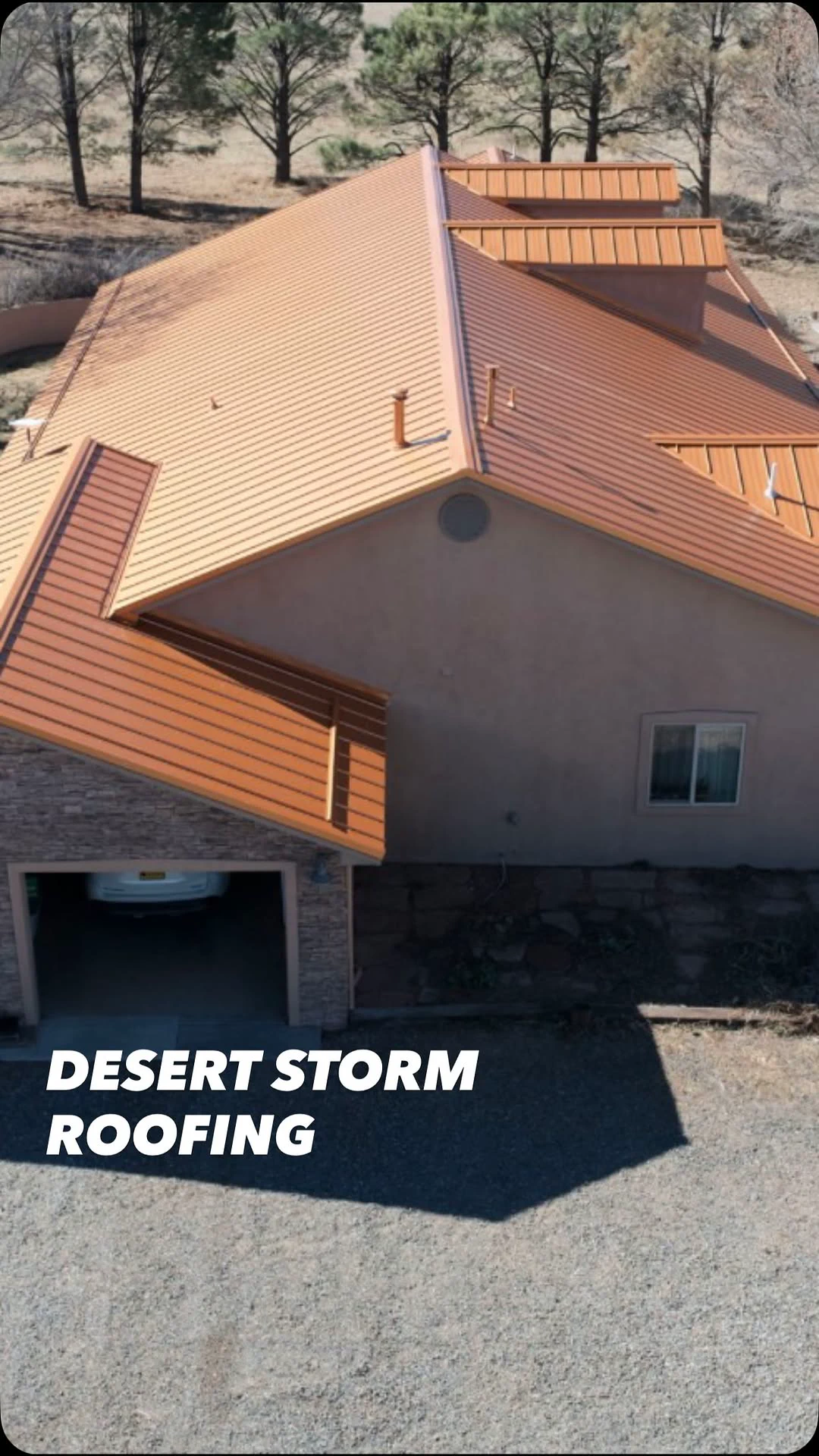
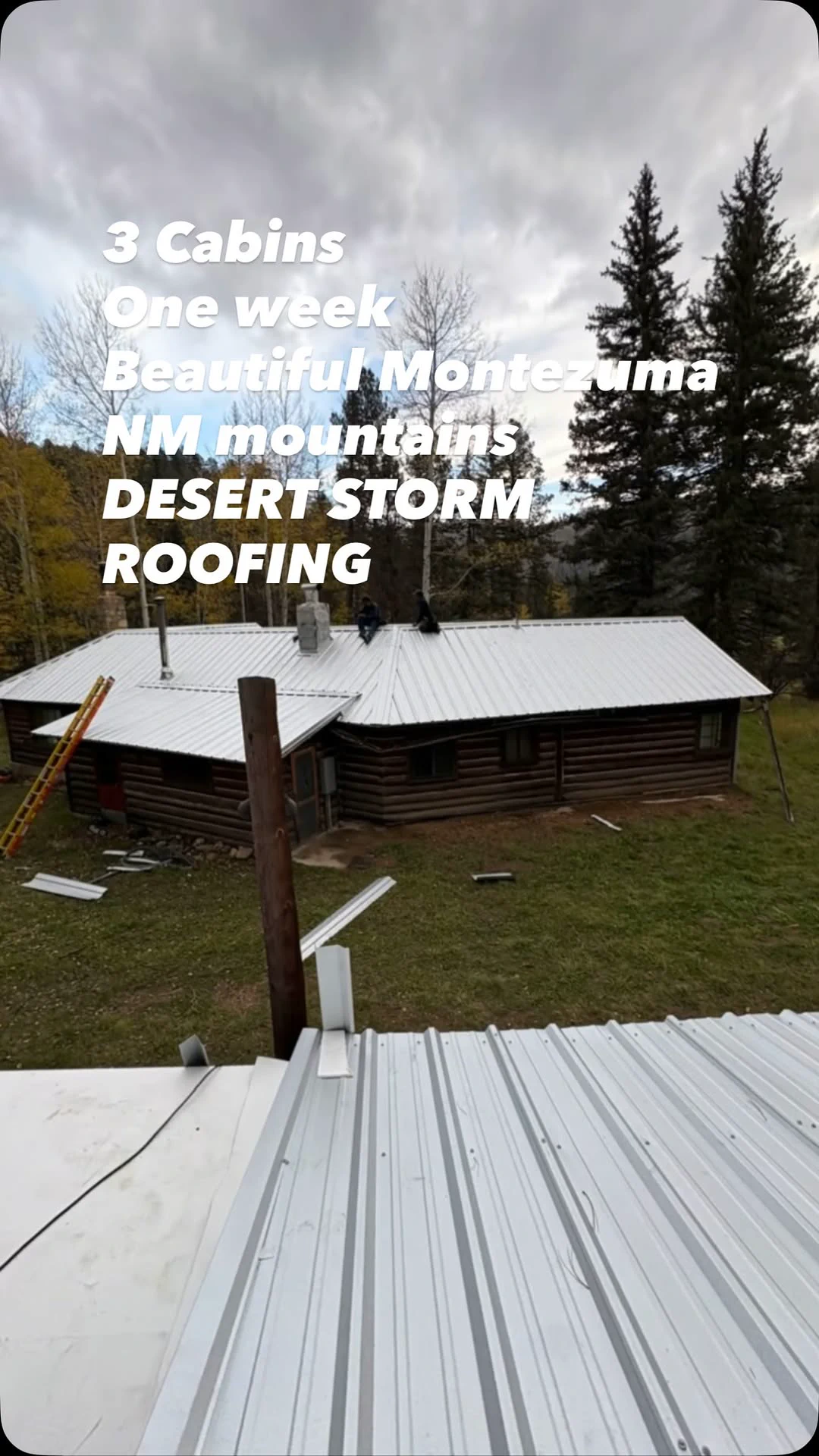
Central New Mexico homeowners often think about two very different weather stories: summer monsoon storms and winters influenced by El Niño. They are not interchangeable forecasts, and neither one guarantees a particular outcome. But each can reveal a different weakness in a roof.
Local note
The most damaging weather is the weather that reaches an unresolved weakness. A small flashing gap, blocked drain, or loose edge can matter more than the label on the season.
What the summer monsoon brings
The National Weather Service identifies the New Mexico monsoon period as June 15 through September 30. In Central New Mexico, thunderstorms during that part of the year can bring intense rain, lightning, hail, dust, and strong outflow winds in a short period.
The roof stress is often sudden: debris can strike, edges can lift, hail can mark a covering, and drainage can be tested by a fast burst of water.
What an El Niño winter can change
El Niño is a large-scale ocean-atmosphere pattern that can influence seasonal weather, but its effect varies by location and season. For a homeowner, the practical concern is not a guaranteed amount of rain or snow; it is the possibility of more sustained moisture or repeated wet-and-cold cycles exposing conditions that a dry stretch kept hidden.
Winter moisture can find its way through aging flashing, failed sealants, roof penetrations, and drainage details. Freezing temperatures can add another stress to wet materials and standing water.
Which one damages roofs more?
There is no single answer. A strong monsoon storm can cause immediate wind or hail damage. A wetter winter can turn a small leak into a persistent interior problem. The result depends on the roof system, the exact storm track, the condition of the details, and whether the water has somewhere to drain.
Use both seasons as reminders to inspect the roof — not as a reason to assume damage before looking.
Prepare for both patterns
- Clear leaves, dust, and debris from accessible drainage areas before storm season
- Check visible flashing, pipe boots, edges, and sealants from a safe position
- Trim branches that can scrape or fall onto the roof
- Know where interior shutoffs, containers, and temporary protection are located
- Schedule a documented inspection after significant wind, hail, or unexplained leakage
After the weather moves through
Take photos from the ground and inside the attic or living space when it is safe. Note when water appeared and whether the issue followed wind, hail, snow, or rain. Do not climb onto a wet or damaged roof to investigate it yourself.
A clear timeline helps a roofing professional understand what changed and helps you keep better records if an insurance claim is appropriate.
The local takeaway
Central New Mexico roofs need to be ready for both fast summer events and slower moisture exposure. Desert Storm Roofing can inspect the system, document the conditions, and explain what deserves attention now versus what can be planned.